
AI Ecommerce Retargeting: The Ultimate Proven Blueprint for a High-Profit Agency in 2026
Introduction
In 2026, online advertising has become more expensive than ever. E-commerce brands spend thousands of dollars every month driving traffic to their stores, yet the vast majority of visitors leave without making a purchase. Studies consistently show that over 70% of shopping carts are abandoned before checkout. This creates a massive hidden opportunity for businesses willing to solve the problem.
This is where AI ecommerce retargeting becomes incredibly valuable. Rather than focusing on attracting new visitors, AI ecommerce retargeting focuses on recovering potential customers who have already shown interest in a product. These shoppers have visited the website, viewed products, added items to their carts, or even started the checkout process but failed to complete their purchase.
An AI ecommerce retargeting agency builds automated systems that analyze customer behavior and deliver highly personalized messages through email, SMS, WhatsApp, and social media. These systems operate around the clock, helping businesses recover lost revenue without increasing advertising budgets.
Because AI ecommerce retargeting directly impacts sales and profitability, businesses are willing to pay premium monthly retainers and performance-based commissions to agencies that can consistently deliver results.
Why AI Ecommerce Retargeting Is Booming in 2026
Customer acquisition costs continue to rise every year.
Most store owners focus heavily on generating traffic through:
- Facebook Ads
- Google Ads
- Influencer Marketing
- TikTok Advertising
- YouTube Promotions
However, they often ignore the easiest source of revenue: existing visitors.
AI ecommerce retargeting allows businesses to maximize the value of traffic they have already paid for.
Instead of spending more money on new visitors, brands can recover abandoned purchases and significantly improve profitability.
This “found money” approach makes AI ecommerce retargeting one of the highest ROI services available today.
Step-by-Step Guide
Step 1: Identify E-commerce Stores with Weak Retargeting Systems
The first step is finding stores that already receive traffic but fail to convert visitors efficiently.
Look for stores that:
- Have active Facebook Ads
- Run influencer campaigns
- Generate regular website traffic
- Have basic email marketing
- Lack abandoned cart sequences
- Send generic newsletters
These businesses represent ideal clients because small improvements can generate substantial revenue gains.
Popular industries include:
- Fashion
- Beauty
- Health products
- Home decor
- Fitness equipment
- Pet products
Step 2: Install Advanced Behavioral Tracking
The foundation of AI ecommerce retargeting is data.
You need to understand:
- Which products visitors view
- How long they stay on pages
- Which products they add to carts
- When they abandon checkout
- Which devices they use
- Their previous purchase history
Most stores use platforms like Shopify.
You can integrate advanced tracking systems through:
Behavioral tracking allows AI systems to understand customer intent and create personalized recovery campaigns.
Step 3: Build Hyper-Personalized Messaging Systems
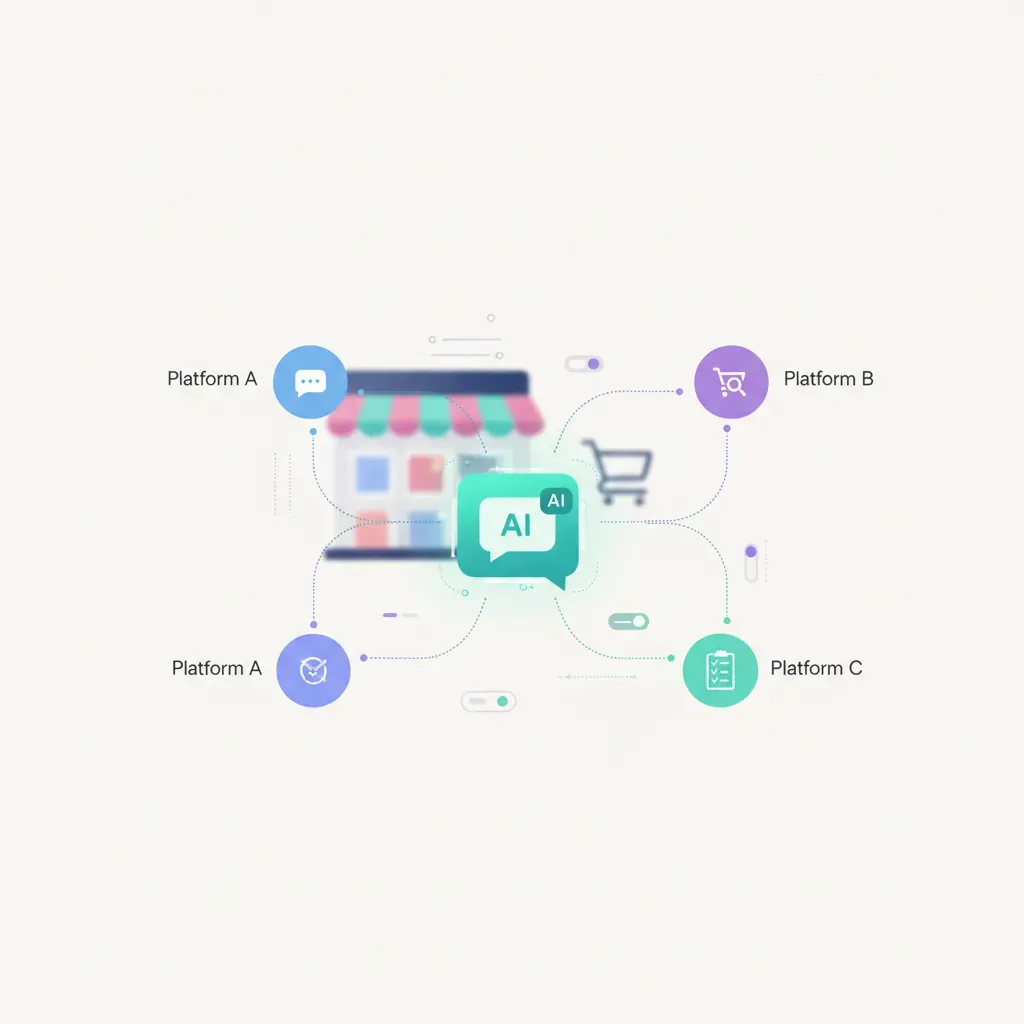
This is where AI ecommerce retargeting becomes powerful.
Instead of sending generic messages like:
“Complete your purchase.”
The AI creates personalized messages such as:
“Your Black Running Shoes (Size 10) are still waiting in your cart. Complete your order within the next 24 hours and receive free shipping.”
Personalization can include:
- Product names
- Product colors
- Sizes
- Customer location
- Previous purchases
- Discount offers
- Urgency triggers
These small details dramatically increase conversion rates.
Step 4: Launch Omnichannel Automation
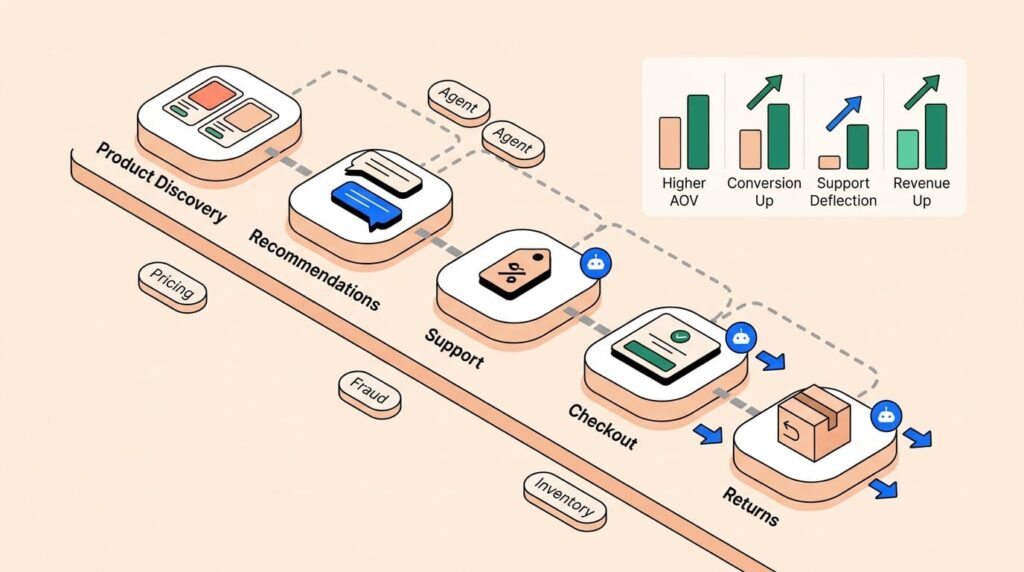
Modern consumers interact with multiple communication channels.
Your AI ecommerce retargeting system should operate across:
- SMS
- Facebook Messenger
- Instagram Messaging
- Push Notifications
The goal is simple:
Reach the customer on the platform they are most likely to engage with.
This significantly increases recovery rates compared to relying on a single channel.
Popular marketing automation tools include:
Step 5: Optimize Through Continuous Testing
The most profitable agencies never stop testing.
Experiment with:
- Subject lines
- Message timing
- Discount percentages
- Product recommendations
- Call-to-action buttons
- Email layouts
Small improvements can lead to substantial increases in recovered revenue.
A 5% increase in cart recovery can translate into thousands of additional dollars every month for a client.
Advanced AI Ecommerce Retargeting Strategies
Dynamic Product Recommendations
Recommend complementary products based on browsing behavior.
For example:
Someone viewing running shoes may also be interested in:
- Athletic socks
- Fitness trackers
- Water bottles
This increases average order value.
Predictive Purchase Modeling
Modern AI can predict:
- Which customers are likely to buy
- Which customers require discounts
- Which customers are likely to unsubscribe
This allows brands to focus marketing efforts more effectively.
Customer Lifetime Value Optimization
AI ecommerce retargeting is not only about recovering carts.
It also helps businesses:
- Increase repeat purchases
- Improve customer loyalty
- Reduce churn
- Boost lifetime value
This creates long-term growth rather than short-term sales spikes.
Pricing Your AI Ecommerce Retargeting Services
One of the biggest advantages of AI ecommerce retargeting is performance-based pricing.
Monthly Retainer Model
Typical pricing:
- Small stores: $500–$1,000/month
- Mid-sized brands: $1,000–$3,000/month
- Enterprise stores: $3,000+/month
Performance-Based Model
Many agencies charge:
- 5% to 15% of recovered revenue
This aligns incentives and makes your service easier to sell.
How to Get Your First Clients
The easiest method is identifying stores with obvious weaknesses.
Audit:
- Abandoned cart flows
- Email sequences
- SMS campaigns
- Checkout processes
Then send a personalized video audit showing how much money they are leaving on the table.
This approach works extremely well because business owners immediately understand the financial impact.
For lead generation techniques, read:
https://digitalcashguide.com/high-ticket-b2b-lead-generation
You can also combine this service with:
https://digitalcashguide.com/ai-powered-drop-servicing-agency
and
https://digitalcashguide.com/ai-content-repurposing-agency
to create higher-value client packages.
Tips for Success
Focus on Revenue
Clients care about sales, not technical jargon.
Always present results in terms of:
- Revenue recovered
- Orders generated
- Conversion rate improvements
Keep Messages Mobile-Friendly
Over 85% of e-commerce purchases happen on mobile devices.
Every campaign should be optimized for smartphones.
Use Segmentation
Different customers require different messaging.
Segment based on:
- Purchase history
- Product category
- Cart value
- Geographic location
Build Long-Term Relationships
The longer you manage a store’s retargeting system, the better the results become.
This creates stable recurring income.
Warnings
Avoid Over-Messaging
Too many notifications can annoy customers.
Balance frequency carefully.
Follow Privacy Regulations
Ensure compliance with:
- GDPR
- CCPA
- Cookie regulations
Always obtain proper consent.
Don’t Depend on Discounts Alone
Excessive discounting can damage brand value.
Use personalization before offering price reductions.
Monitor Deliverability
Even the best campaigns fail if emails land in spam folders.
Regularly monitor sender reputation and deliverability metrics.
Conclusion
AI ecommerce retargeting is one of the most profitable and scalable agency models available in 2026. As advertising costs continue rising, businesses are increasingly focused on maximizing the value of existing traffic rather than simply purchasing more visitors.
By implementing intelligent behavioral tracking, personalized messaging systems, omnichannel automation, and continuous optimization, an AI ecommerce retargeting agency can generate measurable revenue increases for clients while building a highly recurring income stream.
The future belongs to businesses that understand customer behavior and leverage AI to create personalized experiences at scale. If you can master AI ecommerce retargeting, you’ll position yourself at the center of one of the fastest-growing sectors in digital marketing.
FAQ Section
Q: What is AI ecommerce retargeting?
A: AI ecommerce retargeting uses artificial intelligence to re-engage website visitors who did not complete a purchase, increasing conversions and recovering lost revenue.
Q: How much can I charge?
A: Most agencies charge between $500 and $3,000+ monthly, plus performance-based commissions on recovered revenue.
Q: Do I need coding skills?
A: No. Most modern platforms provide visual automation builders that require little or no coding.
Q: What recovery rates are realistic?
A: Well-optimized systems often recover between 15% and 25% of abandoned carts.
Q: Can one person manage multiple clients?
A: Yes. Once automation systems are established, managing several stores becomes highly scalable.
Q: Which platform is best for beginners?
A: Shopify combined with Klaviyo is one of the most popular and beginner-friendly combinations for AI ecommerce retargeting.
Suggested Image Alt Text
- AI ecommerce retargeting dashboard
- AI ecommerce retargeting automation workflow
- Best AI ecommerce retargeting strategy 2026
- AI ecommerce retargeting for Shopify stores
- AI ecommerce retargeting abandoned cart recovery
