
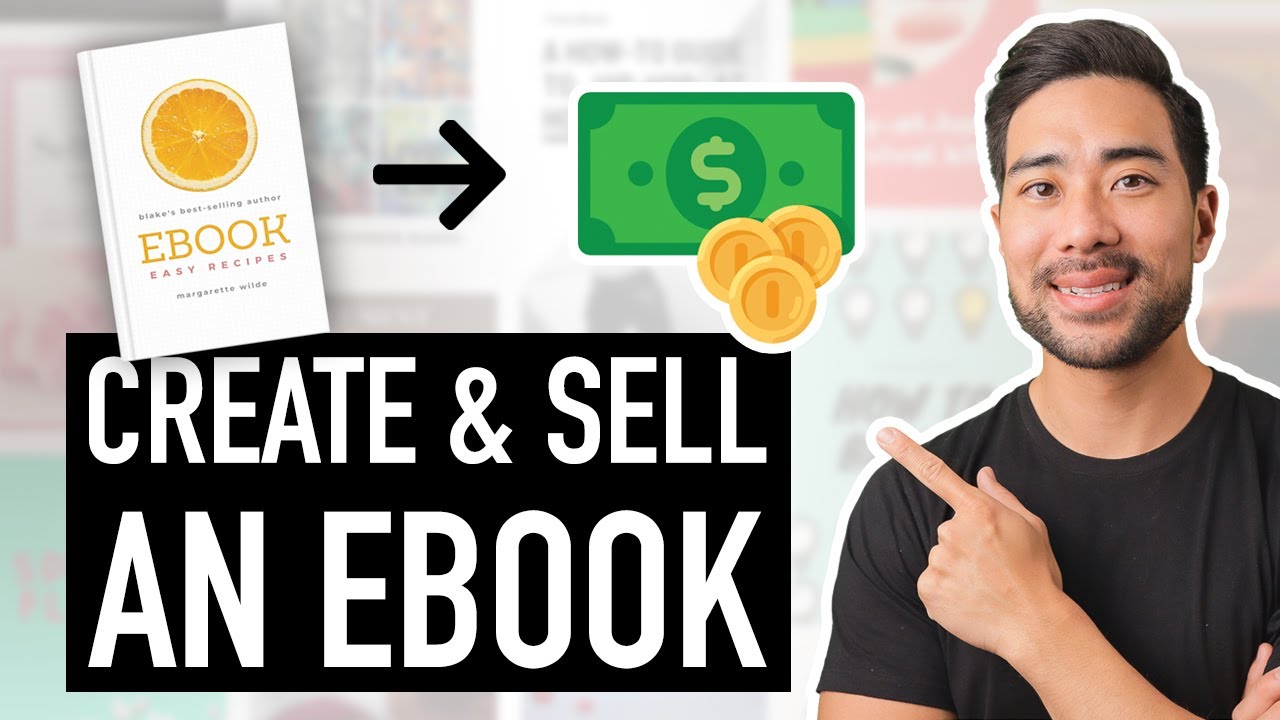
Sell eBooks: The Ultimate Proven Blueprint to Build Passive Income in 2026
Learn how to Sell eBooks successfully in 2026. Discover AI writing tools, publishing platforms, pricing strategies, marketing techniques, and passive income methods to build a profitable digital publishing business.
Sell eBooks: The Ultimate Proven Blueprint to Build Passive Income in 2026
Introduction
The digital publishing industry has experienced explosive growth over the past decade, and in 2026, it continues to create incredible opportunities for entrepreneurs, freelancers, educators, and content creators. Unlike traditional publishing, selling digital books requires no printing costs, no warehouse storage, and no expensive shipping fees. Once your eBook is created, it can be sold repeatedly to customers worldwide with almost no additional production costs.
This is why many online entrepreneurs now choose to Sell eBooks as one of their primary passive income strategies. Whether you are an expert in business, finance, fitness, cooking, education, digital marketing, artificial intelligence, or personal development, there are thousands of readers actively searching for valuable digital content every day.
Modern AI writing assistants, graphic design platforms, proofreading software, and self-publishing marketplaces have significantly lowered the barrier to entry. Even individuals with limited technical experience can now research, write, design, publish, and market professional-quality eBooks from their laptops.
The biggest advantage of choosing to Sell eBooks is scalability. You invest your time once creating valuable content, but your digital product can continue generating income for months or even years with proper marketing. Unlike freelancing, where income stops when you stop working, eBooks become long-term digital assets that can generate recurring revenue while you focus on creating additional products.
If your goal is to build a sustainable online business with low startup costs and global reach, learning how to Sell eBooks effectively can become one of the smartest business decisions you make in 2026.

Step-by-Step Guide
Step 1: Choose a Profitable Niche
The success of your eBook starts with selecting the right niche.
Instead of writing about broad topics, focus on solving a very specific problem.
Examples include:
- AI Prompt Engineering for Beginners
- Budget Meal Planning
- Facebook Marketplace Selling
- Passive Income Ideas
- Personal Finance
- Weight Loss Recipes
- Digital Marketing
- Productivity Systems
- Online Business Ideas
- Real Estate Investing
Before creating your book, research what readers are already searching for.
Browse marketplaces like Amazon Kindle, Gumroad, and Google Trends to discover popular categories with growing demand.
Choosing a niche where people already spend money significantly improves your chances of success.

Step 2: Research Your Audience
Successful authors don’t simply write what they like.
They write what readers desperately need.
Ask yourself:
- What problems are people facing?
- What questions appear repeatedly?
- What information is missing?
- Which topics receive thousands of online searches?
Online communities, Reddit discussions, Facebook Groups, Quora, and industry forums provide valuable insights into customer pain points.
The better you understand your audience, the easier it becomes to create an eBook that genuinely helps them.
Step 3: Create an Organized Outline
Many first-time authors start writing immediately.
Professionals start with a structure.
Create chapters before writing.
Example:
- Introduction
- Understanding the Problem
- Step-by-Step Solutions
- Practical Examples
- Tools & Resources
- Common Mistakes
- Advanced Tips
- Conclusion
- Frequently Asked Questions
A clear outline keeps your content logical and easier to read.
Step 4: Write High-Quality Content Faster
AI tools can dramatically speed up the writing process.
However, never publish AI-generated text without human editing.
Use AI for:
- Research
- Brainstorming
- Content ideas
- Grammar improvements
- Headline creation
- Chapter organization
Then add your own:
- Experiences
- Case studies
- Personal insights
- Practical examples
Readers pay for expertise—not generic information.

Step 5: Design a Professional eBook
Presentation matters.
An attractive design increases perceived value.
Include:
- Professional cover
- Clean typography
- Consistent headings
- Images
- Charts
- Icons
- Callout boxes
- Downloadable worksheets
High-quality design builds trust and encourages positive reviews.
Step 6: Choose the Right Selling Platform
You don’t need your own website immediately.
Popular platforms include:
- Amazon Kindle Direct Publishing
- Gumroad
- Payhip
- Etsy (Digital Products)
- Shopify
- Your own website
Selling through multiple platforms increases visibility while reducing dependence on a single marketplace.
Step 7: Price Your eBook Strategically
One of the biggest mistakes new creators make is pricing their digital products too low. While affordability matters, extremely cheap pricing can reduce the perceived value of your work.
A simple pricing strategy might look like this:
- Beginner Guides: $9–$19
- Professional Guides: $29–$49
- Premium Master Guides: $79–$199
- Complete Business Bundles: $199+
Instead of competing on price, focus on the transformation your eBook provides. If your guide helps readers save hundreds of dollars, build a business, or learn a valuable skill, many customers will happily pay a premium.
Step 8: Build an Automated Sales Funnel
Publishing your eBook is only the beginning. You also need a reliable system that consistently brings new buyers.
An effective sales funnel typically includes:
- A landing page explaining the benefits of your eBook
- A free downloadable checklist or mini guide to collect email addresses
- An automated email sequence that builds trust
- Testimonials from satisfied readers
- Limited-time offers or bundle discounts
- A secure checkout process
This system allows you to Sell eBooks even while you’re sleeping.
Step 9: Market Your eBook Consistently
Creating an excellent eBook is only half the job. Marketing determines how many people actually discover it.
Some of the most effective marketing strategies include:
Content Marketing
Write helpful blog articles around your topic.
Examples:
- Beginner tutorials
- Industry guides
- Common mistakes
- Case studies
- How-to articles
These articles attract organic visitors through search engines.
Video Marketing
Create:
- YouTube tutorials
- Instagram Reels
- Facebook videos
- TikTok clips
- Pinterest Idea Pins
Short educational videos can introduce your expertise and encourage viewers to purchase your eBook.
Email Marketing
Build an email list from day one.
Send:
- Weekly tips
- Industry updates
- Exclusive discounts
- New product announcements
- Bonus resources
Email marketing remains one of the highest-converting channels for digital products.
Social Media
Post consistently on:
- X (Twitter)
Educational content generally performs better than direct sales posts.
Step 10: Expand Your Product Ecosystem
Once your first eBook becomes successful, don’t stop there.
Create additional products such as:
- Workbooks
- Checklists
- Templates
- Prompt libraries
- Video courses
- Printable planners
- Premium memberships
Multiple products increase customer lifetime value and generate more recurring income.
Marketing Strategies That Actually Work
Many creators spend months writing an eBook but only a few days marketing it.
Successful digital publishers do the opposite.
Spend as much time promoting your product as creating it.
Some highly effective methods include:
- Guest blogging
- Podcast interviews
- Affiliate partnerships
- YouTube SEO
- Pinterest SEO
- Facebook communities
- LinkedIn newsletters
- Webinar presentations
The more people who discover your expertise, the more opportunities you have to Sell eBooks consistently.
DoFollow External Resources
Learning from trusted publishing platforms can significantly improve your results.
You can publish Kindle books using Amazon Kindle Direct Publishing:
https://kdp.amazon.com
Create and sell digital products through Gumroad:
https://gumroad.com
Sell downloadable products worldwide using Payhip:
https://payhip.com
Research publishing trends with Google Trends:
https://trends.google.com
Internal Links (Naturally Add These to Your Website)
While discussing digital business ideas, link readers to your related content such as:
- Email Marketing Agency
- Affiliate Marketing Content Site
- Subscription Based Software
- Online Teaching
- Voiceover & Audio Content
Internal links help readers discover more valuable resources while improving your website’s SEO.
Tips & Warnings
Tip 1: Focus on Solving One Problem Extremely Well
The highest-selling digital books are rarely long encyclopedias. Instead, they solve one specific problem in a practical, easy-to-follow way. Readers are more likely to recommend your book if it delivers a clear transformation. When you Sell eBooks, always prioritize value over page count.
Tip 2: Build Your Personal Brand
People buy from creators they trust. Share valuable insights on LinkedIn, YouTube, Facebook, Pinterest, and your blog. Consistent educational content helps establish authority and makes it easier to Sell eBooks without relying solely on paid advertising.
Tip 3: Update Your eBooks Regularly
Industries change quickly. Review your digital products every few months and update screenshots, statistics, links, and examples. Fresh content leads to better customer satisfaction, stronger reviews, and repeat purchases.
Tip 4: Bundle Multiple Digital Products
Increase your average order value by packaging related products together. For example, combine your eBook with templates, worksheets, checklists, or video tutorials. Customers often perceive bundles as offering greater value than standalone products.
Warning 1: Never Publish Without Proofreading
Grammar mistakes, broken formatting, and inaccurate information can damage your credibility. Always proofread your work carefully or hire a professional editor before publishing.
Warning 2: Respect Copyright Laws
Only use images, graphics, and fonts that you own or are properly licensed to use. Avoid copying content from other authors, as copyright violations can lead to legal issues and platform penalties.
Warning 3: Don’t Ignore Marketing
Many authors publish an excellent eBook but never promote it. Creating your product is only half the process. Consistent marketing is essential if you want to Sell eBooks successfully over the long term.
Conclusion
The opportunity to Sell eBooks has never been greater than it is in 2026. With AI-powered writing tools, modern design platforms, and global digital marketplaces, almost anyone can build a profitable online publishing business from home.
The key to long-term success is creating genuinely valuable content that solves real problems. Focus on understanding your audience, writing high-quality material, designing a professional product, and promoting it consistently across multiple channels.
Remember that one eBook is only the beginning. As your audience grows, you can expand into courses, templates, memberships, coaching programs, and other digital products. Over time, these assets work together to generate recurring passive income while strengthening your personal brand.
If you’re serious about building an online business, now is the perfect time to start. Choose your niche, create your first digital product, and begin your journey to Sell eBooks successfully in 2026 and beyond.
Frequently Asked Questions (FAQ)
Q1: Can beginners successfully Sell eBooks?
A: Absolutely. Modern AI writing assistants, publishing platforms, and design tools have made it easier than ever for beginners to create and publish professional-quality eBooks.
Q2: How much money can I make selling eBooks?
A: Income varies depending on your niche, marketing efforts, and audience size. Some creators earn a few hundred dollars each month, while others generate thousands of dollars in recurring passive income.
Q3: Which platform is best for selling eBooks?
A: Amazon Kindle Direct Publishing, Gumroad, Payhip, Shopify, and your own website are all excellent options. Many successful creators use multiple platforms to maximize their reach.
Q4: Do I need to know graphic design?
A: No. User-friendly tools like Canva and Adobe Express allow beginners to create professional-looking covers and layouts without advanced design experience.
Q5: How long should an eBook be?
A: It depends on the topic. Most successful guides range between 30 and 150 pages. The focus should always be on delivering useful information rather than simply increasing page count.
Q6: Is selling eBooks still profitable in 2026?
A: Yes. As demand for online education and digital products continues to grow, creators who produce valuable, niche-focused content can build sustainable passive income by consistently learning how to Sell eBooks effectively.
