
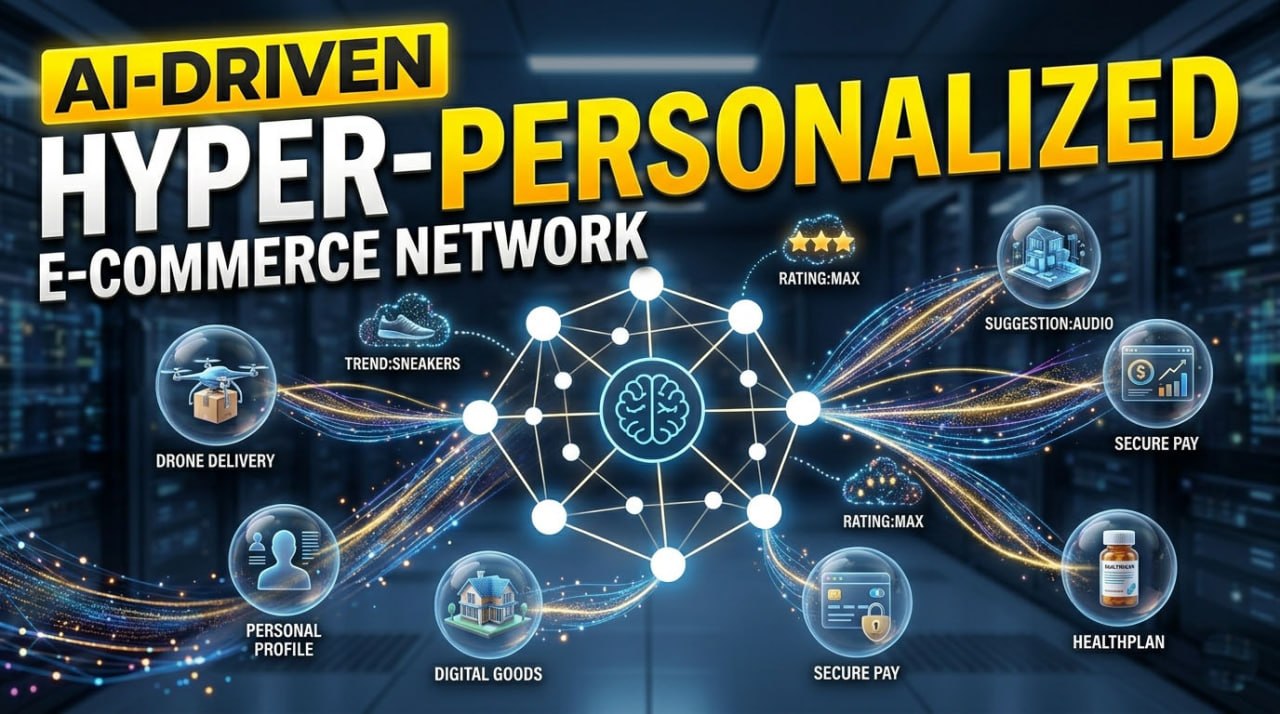
Hyper Personalized E Commerce 2026: Powerful AI Strategies for Building a Custom Product Empire
Introduction
https://digitalcashguide.com/hyper-personalized-e-commerce-2026
The e-commerce industry has evolved dramatically over the last decade. Consumers are no longer satisfied with generic products designed for the masses. In 2026, buyers expect products that match their individual preferences, lifestyles, body measurements, interests, and even health requirements.
This shift has created one of the biggest online business opportunities of the decade: Hyper Personalized E Commerce 2026.
Traditional e-commerce stores relied on bulk inventory, warehouse management, and broad product categories. Today, Artificial Intelligence allows entrepreneurs to create highly customized products on demand without maintaining massive stock levels.
Whether it’s custom skincare formulas, personalized fitness plans, made-to-order apparel, unique home décor, or AI-generated product designs, consumers are willing to pay premium prices for products that feel specifically designed for them.
The exciting part is that you no longer need a large team or expensive infrastructure. AI-powered tools, print-on-demand services, automated fulfillment systems, and intelligent marketing platforms have made it possible for solo entrepreneurs to compete with much larger brands.
This guide explores how to build a successful hyper-personalized e-commerce network in 2026 and create a scalable business that delivers exceptional customer experiences while maximizing profits.
Why Hyper Personalized E Commerce 2026 Is Growing So Fast
Consumer expectations have changed.
People are surrounded by thousands of products every day. Because of this, generic products often struggle to stand out.
Modern buyers want:
- Customized experiences
- Personalized recommendations
- Products designed specifically for them
- Faster delivery
- Better customer service
Artificial Intelligence makes all of this possible.
AI can analyze customer preferences, purchasing behavior, browsing history, and demographic information to generate highly personalized product recommendations and shopping experiences.
This level of customization increases:
- Customer satisfaction
- Conversion rates
- Repeat purchases
- Average order value
- Brand loyalty
Businesses that embrace personalization are gaining a significant competitive advantage.
Step 1 – Niche Selection and Problem Mapping
Every successful business starts with identifying a specific problem.
The best opportunities in Hyper Personalized E Commerce 2026 come from niche markets where customers actively seek tailored solutions.
Examples of High-Potential Niches
Personalized Skincare
AI can analyze skin concerns and recommend customized products based on individual needs.
Custom Apparel
Clothing designed around exact body measurements can eliminate sizing issues and improve customer satisfaction.
Fitness and Nutrition
Customized meal plans and supplements are becoming increasingly popular among health-conscious consumers.
Pet Products
Personalized pet accessories, nutrition plans, and health products continue to grow rapidly.
Focus on Pain Points
Ask:
- What frustrates customers?
- What products don’t fit properly?
- What solutions feel too generic?
The more specific the problem, the easier it becomes to create a profitable solution.
Step 2 – AI-Powered Product Generation
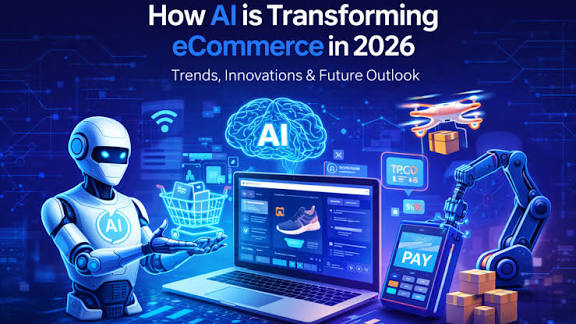
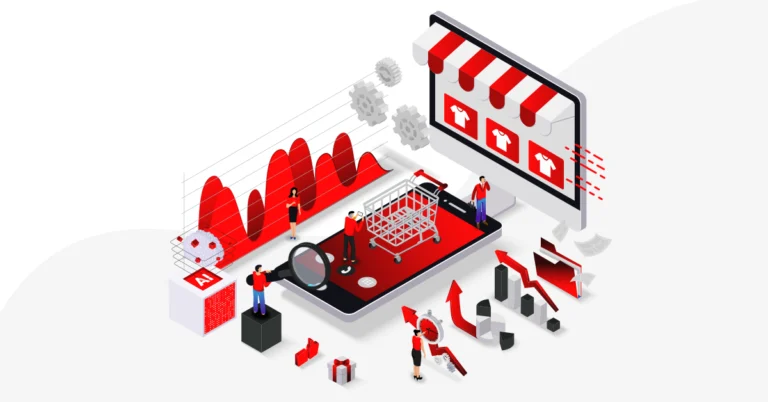
Artificial Intelligence is the engine behind hyper-personalization.
Instead of manually creating every variation, AI can instantly generate custom products based on customer inputs.
AI Applications in Product Creation
- Custom product designs
- Personalized packaging
- Product recommendations
- 3D modeling
- Size optimization
- Customized marketing messages
For example, a customer enters their body measurements and style preferences.
The AI immediately generates:
- Clothing designs
- Size specifications
- Color combinations
- Product mockups
This dramatically reduces production costs and increases efficiency.
Benefits of AI Product Generation
- Faster product creation
- Reduced design costs
- Greater customization
- Improved customer satisfaction
- Scalable operations
Businesses that leverage AI effectively can offer thousands of personalized product variations without hiring large creative teams.
H2: Step 3 – Building a Dynamic Storefront
Traditional online stores show the same content to every visitor.
That approach is becoming outdated.
Personalized Shopping Experiences
A modern AI-powered storefront can:
- Recommend products based on browsing behavior
- Change homepage content dynamically
- Display relevant offers
- Personalize product bundles
- Adapt messaging based on customer interests
Imagine two customers visiting the same store.
One sees fitness products.
The other sees nutrition products.
Both experiences are optimized specifically for them.
This level of personalization increases conversion rates significantly.
Tools That Support Dynamic Personalization
External Resources:
- Shopify: https://www.shopify.com
- Klaviyo: https://www.klaviyo.com
- Google Analytics: https://analytics.google.com
These platforms help collect customer insights and automate personalized shopping experiences.
H2: Step 4 – Automated On-Demand Fulfillment
One of the most attractive aspects of Hyper Personalized E Commerce 2026 is the ability to operate without large inventories.
How On-Demand Fulfillment Works
- Customer places an order.
- Product specifications are generated automatically.
- Manufacturing begins immediately.
- Product ships directly to the customer.
This reduces:
- Inventory costs
- Storage expenses
- Unsold stock
- Cash flow risks
Popular Fulfillment Models
Print-on-Demand
Ideal for:
- T-shirts
- Hoodies
- Mugs
- Posters
- Accessories
3D Printing
Perfect for:
- Custom accessories
- Personalized gifts
- Specialized replacement parts
Custom Manufacturing
Suitable for:
- Health products
- Premium apparel
- Specialty consumer goods
Automation allows entrepreneurs to scale operations without managing warehouses.
H2: Step 5 – AI-Powered Customer Retention
The sale is only the beginning.
Successful businesses focus heavily on customer retention.
AI Email Automation
Modern AI systems can:
- Send personalized follow-ups
- Recommend complementary products
- Request feedback
- Recover abandoned carts
- Create loyalty campaigns
AI Chatbots
AI chatbots can provide:
- 24/7 support
- Product recommendations
- Order tracking assistance
- Customer onboarding
This improves customer satisfaction while reducing support costs.
Why Retention Matters
Acquiring new customers is expensive.
Retaining existing customers is far more profitable.
Even a small increase in retention can dramatically improve long-term revenue.
H2: Data Security and Customer Trust
Personalization requires data.
Customers may share:
- Measurements
- Preferences
- Purchase history
- Health information
- Lifestyle details
Protecting this information is critical.
Best Practices
- Use encrypted databases
- Publish transparent privacy policies
- Limit data collection to essential information
- Conduct regular security audits
Trust is one of the most valuable assets an e-commerce business can build.
H2: Common Mistakes to Avoid
Ignoring Product Quality
Even the best AI system cannot save a poor-quality product.
Overcomplicating the User Experience
Personalization should feel helpful, not overwhelming.
Choosing the Wrong Manufacturing Partner
A poor fulfillment partner can damage your brand reputation.
Neglecting Customer Feedback
Listen carefully to customer experiences and continuously improve.
Conclusion
The future of e-commerce is personal.
The businesses that succeed in Hyper Personalized E Commerce 2026 will be those that make customers feel understood, valued, and unique.
Artificial Intelligence provides entrepreneurs with the tools needed to deliver personalized experiences at scale without maintaining massive inventories or employing large teams.
By combining AI-powered product creation, dynamic storefronts, automated fulfillment, and intelligent customer retention strategies, you can build a modern e-commerce business that stands out in an increasingly competitive marketplace.
The opportunity is enormous for entrepreneurs willing to embrace customization and innovation.
FAQ Section
Q: Do I need a large upfront investment?
No. Most on-demand business models only require payment after a customer places an order.
Q: Will customers share personal information?
Yes, if you clearly explain how the information improves their experience and maintain strong privacy protections.
Q: Is personalization expensive to implement?
Not anymore. AI tools and automation platforms have made advanced personalization affordable for small businesses.
Q: What products work best for hyper-personalization?
Apparel, skincare, fitness products, pet products, gifts, and home décor are among the strongest categories.
Q: Can a solo entrepreneur run this business?
Absolutely. Modern AI systems and automated fulfillment networks allow one person to manage a highly scalable operation.
