
AI Prompt Engineering: High-End AI Prompt: AI Prompt Engineering
Engineering & Corporate Workflow Consultancy
Introduction
In 2026, the global corporate world is no longer debating if they should use Artificial Intelligence; they
are actively scrambling to integrate it into their daily operations to survive. However, the vast majority of
traditional business executives, sales managers, and creative professionals have no idea how to write
complex, multi-stage prompts or build automated systems.
They waste hours typing basic inputs and receiving generic, low-quality results. A High-End AI Prompt
Engineering & Corporate Workflow Consultancy is a premium B2B service where you step in as an
enterprise architect. You audit a company’s internal operational bottlenecks and design customized,
highly advanced “Master Prompt Libraries” and automated data systems that reduce operational costs
by massive margins.
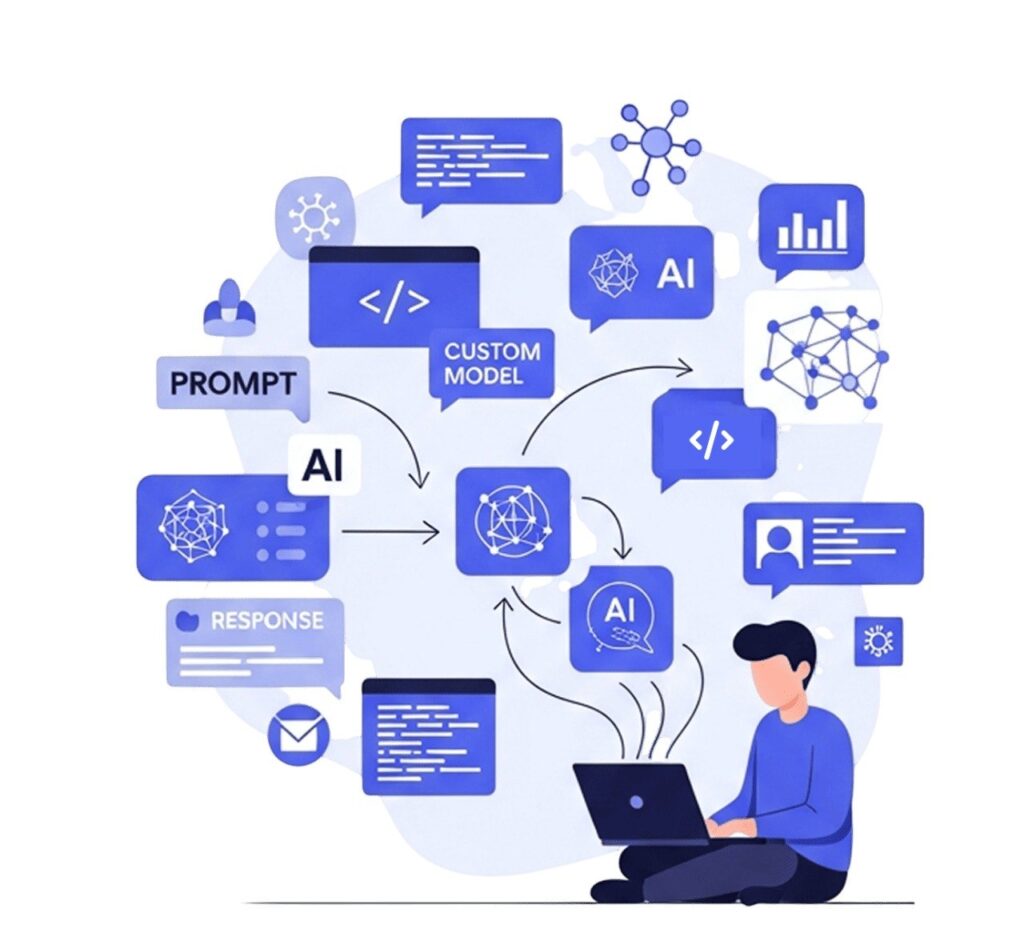
Because you position your work around operational time savings, you can charge premium consulting
fees. As AI Prompt Engineering continues to evolve, businesses increasingly need specialists who can
bridge the gap between artificial intelligence and real-world corporate systems.
Businesses using modern AI technologies are already transforming productivity through platforms like
OpenAI, Notion AI, and automation tools that streamline business operations.
Suggested External Link Placement:
OpenAI: https://openai.com
Notion AI: https://www.notion.so/product/ai
Step by Step Guide
Step 1: Identifying High-Friction Corporate Verticals
Target professional service sectors that deal with heavy documentation, text formatting, or repetitive
customer workflows—such as real estate firms, legal support offices, or marketing agencies.
The best industries for AI Prompt Engineering consultancy are businesses where repetitive manual
work slows productivity. Instead of targeting everyone, focus on industries where automation delivers
measurable time savings.
Suggested External Link Placement:
HubSpot CRM for workflow examples: https://www.hubspot.com
Step 2: Conducting an Operational Efficiency Audit
Spend time interviewing the client’s management team to map out daily manual tasks. The goal is to
identify repetitive routines that take employees hours to complete from scratch.
A strong operational audit helps you identify exactly where AI-driven prompt systems can remove
inefficiencies. Whether it is customer communication, lead generation, documentation, or reporting,
every repetitive task becomes an opportunity for optimization.
Step 3: Architecting Multi-Tier Master Prompt Libraries
Build advanced, structurally sound prompt frameworks using zero-shot, few-shot, or chain-of-thought
methodologies. These systems allow staff to consistently generate highly accurate, on-brand corporate
assets within seconds.
This is where AI Prompt Engineering becomes highly valuable. Instead of relying on random prompts,
companies gain structured frameworks that improve consistency and reduce human error.
Suggested External Link Placement:
Microsoft Copilot enterprise solutions: https://www.microsoft.com/copilot
Step 4: Building Seamless Automated Systems
Connect newly developed prompt libraries with no-code automation infrastructure to instantly format
incoming customer leads, generate outreach drafts, or clean internal spreadsheets.
Modern workflow automation tools make it possible to connect prompts with existing company
systems. Businesses using platforms like Zapier can significantly reduce repetitive administrative
workloads.
Suggested External Link Placement:
Zapier automation: https://zapier.com
Step 5: Executive Onboarding and Retainer Training
Deliver tailored virtual workshops to train corporate teams on how to access and manage prompt
systems effectively. After onboarding, lock in monthly retainer contracts to continuously improve
workflows as AI model architectures evolve.
Long-term retainers are often where the biggest profits are made in AI Prompt Engineering consulting
because companies continuously need optimization and updates.
Tips & Warnings
Tip: Shift Entirely to Value-Based Pricing Models
Never bill a corporate client by the hour for prompt engineering. If your automated system saves a
business 40 hours of manual labor every week, price your services based on the financial value of that
saved time.
Tip: Create Comprehensive Downloadable Work-Kits: AI Prompt Engineering
Package prompt libraries into organized, scannable Notion workspaces or custom digital dashboards
complete with Loom walkthrough videos to maximize perceived value.
Suggested External Link Placement:
Loom video walkthroughs: https://www.loom.com
Warning: Maintain Complete Focus on Data Privacy Compliance
When working with premium corporate entities, ensure prompt structures and third-party software
integrations align with enterprise-grade security standards. Sensitive business information should
always remain protected from unauthorized access or exposure.
Warning: The Generalist Trap
Do not market yourself as a general “AI Consultant.” You will find greater financial success by
positioning yourself as a hyper-specialized expert, such as the AI Workflow Architect for Corporate
Real Estate Networks.
Conclusion: AI Prompt Engineering
Prompt engineering in 2026 has evolved from a basic hobby into a highly respected corporate logic
language. By acting as a specialized consultant who translates enterprise workflows into clean,
automated AI instruction systems, you position yourself at the top of the digital value chain.
The future of AI Prompt Engineering is not simply about writing prompts—it is about building scalable
systems that save businesses time, reduce costs, and increase efficiency. Consultants who understand
workflow architecture, automation, and enterprise logic can command exceptional income while
maintaining complete flexibility.
FAQ Section: AI Prompt Engineering
Q: Is AI Prompt Engineering still a viable career path if public AI tools are becoming
smarter?
A: Yes. As AI models become smarter, corporate workflows become more complex. Companies no
longer need a single prompt—they need professionals who understand how to connect prompts, APIs,
and automated systems into scalable workflows.
Q: What is the typical project fee for an enterprise prompt engineering
optimization contract?
A: A comprehensive corporate optimization project—including an operational efficiency audit, custom
Master Prompt Library design, and staff training—can comfortably command between $2,500 and
$6,000 per contract.
3 Q: Do I need a degree in data science or deep programming to run this
consultancy?
A: No. Modern AI Prompt Engineering relies more on logical reasoning, systematic problem-solving,
and understanding how large language models respond to structural changes than traditional
programming.
Q: How do I prove the practical ROI of a prompt library to a traditional business
owner?
A: Run a live five-minute demonstration during the sales pitch. Take a manual task that normally
requires an hour and show how your prompt system generates a polished result in less than a minute.
Q: How can I safely protect the intellectual property of my custom prompt
libraries?
A: Integrate prompts directly into cloud dashboards or hidden automation systems where employees
interact using simple input fields, preventing direct access to backend prompt configurations.
Q: What is the best way to keep consultancy skills updated in a fast-moving AI
landscape?
A: Dedicate at least five hours every week to personal research and experimentation with newly
released AI models, prompt frameworks, and automation technologies.