
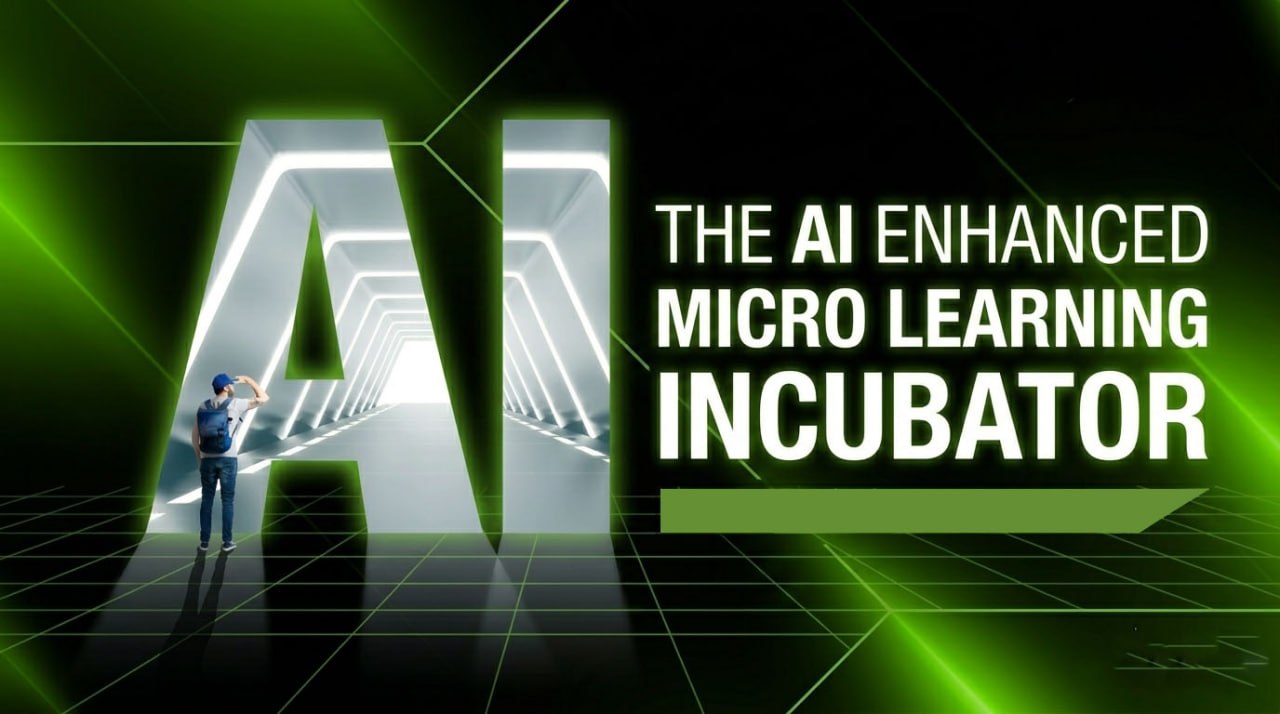
Micro Learning Business 2026: Ultimate AI Blueprint for Building a Profitable Online Education Empire
Introduction
https://digitalcashguide.com/micro-learning-business-2026
The education industry is experiencing one of the biggest transformations in history. Traditional university degrees that once took four years to complete are no longer the only path to acquiring valuable skills. In 2026, professionals are under constant pressure to adapt to rapidly changing technologies, evolving job markets, and emerging industries.
As a result, people are no longer looking for lengthy courses filled with unnecessary theory. Instead, they are searching for fast, practical, and highly targeted learning experiences that can help them solve immediate problems and increase their earning potential.
This shift has created an enormous opportunity known as the Micro Learning Business 2026 model.
Micro-learning focuses on delivering highly specific knowledge in short, easy-to-consume lessons. Instead of spending months studying broad subjects, learners can master a valuable skill in a few hours or days.
The rise of Artificial Intelligence has accelerated this trend even further. Today, entrepreneurs can leverage AI tools to create courses, generate educational content, build learning portals, automate mentorship, and market digital products at a fraction of the cost previously required.
The best part is that you do not need to be a university professor or academic researcher. If you possess expertise in a specific area and can structure information effectively, you can build a profitable educational business that serves a global audience.
This guide will show you how to create, launch, and scale a modern micro-learning business in 2026.

Why Micro Learning Business 2026 Is Growing Rapidly
The modern workforce values speed and practicality.
Employees, freelancers, and entrepreneurs are constantly searching for ways to improve their skills without sacrificing months of their time.
Traditional education often struggles because:
- Programs take too long to complete.
- Content becomes outdated quickly.
- Learning is often too theoretical.
- Students cannot immediately apply what they learn.
Micro-learning solves these problems.
Benefits of Micro-Learning
- Faster learning outcomes
- Higher completion rates
- Better information retention
- Lower costs for students
- Immediate practical application
A busy professional would rather spend two hours learning a skill that increases productivity than spend six months completing a broad course with limited practical value.
This growing demand makes Micro Learning Business 2026 one of the most promising online business opportunities available today.

Step 1 – Identifying High-Income Skill Gaps
The foundation of every successful course is choosing the right topic.
Your goal is not to teach everything.
Your goal is to teach one valuable skill exceptionally well.
Characteristics of High-Demand Topics
Look for skills that are:
- Emerging and rapidly growing
- Difficult to learn independently
- Valuable to employers
- Directly tied to income generation
Examples of High-Potential Topics
- AI Prompt Engineering for Lawyers
- AI Content Strategy for SEO Professionals
- Automated E-Commerce Operations
- Cybersecurity Risk Management
- No-Code Business Automation
- LinkedIn Personal Branding
- AI Sales Funnel Creation
- Data Analytics for Small Businesses
The best opportunities exist where traditional education has not yet adapted.
Validate Demand
Before creating a course:
- Research Google Trends
- Explore Reddit communities
- Analyze LinkedIn discussions
- Review industry job postings
If employers are actively seeking a skill, there is likely a market for training.
H2: Step 2 – AI Curriculum and Content Development
Artificial Intelligence dramatically reduces the time required to create educational content.
Instead of spending months developing lessons manually, AI can assist with:
- Research
- Lesson planning
- Curriculum mapping
- Quiz creation
- Assignment generation
- Learning outcomes

Designing Effective Micro-Learning Modules
Modern learners prefer shorter lessons.
A strong structure includes:
Module 1: The Core Concept
Explain the fundamental idea.
Module 2: Practical Demonstration
Show exactly how the process works.
Module 3: Hands-On Implementation
Allow students to complete real tasks.
Module 4: Advanced Optimization
Teach best practices and common mistakes.
Module 5: Assessment and Action Plan
Help students apply their knowledge immediately.
Keep Lessons Short
The ideal micro-learning lesson lasts between 5 and 10 minutes.
Short lessons improve engagement and completion rates.
H2: Step 3 – AI Video Creation and Content Production
Many people avoid creating courses because they do not want to appear on camera.
Fortunately, modern AI technology has removed this barrier.
AI Video Generation
Today, AI can create:
- Digital presenters
- Professional voiceovers
- Animated educational videos
- Interactive presentations
This allows creators to produce high-quality content without investing in expensive recording equipment.
Benefits of AI-Generated Content
- Faster production
- Lower costs
- Consistent presentation quality
- Easy updates
- Global scalability
Maintaining Authenticity
While AI handles production, your expertise remains the most valuable component.
Students are paying for your insights, experience, and structured guidance.
AI simply helps deliver that information more efficiently.
H2: Step 4 – Integrating AI-Powered Mentorship
One of the biggest limitations of traditional online courses is the lack of support.
Students often get stuck and abandon the course.
AI mentorship solves this problem.
Building a 24/7 Teaching Assistant
A custom-trained AI chatbot can:
- Answer student questions
- Explain difficult concepts
- Provide additional examples
- Guide learners through exercises
- Recommend relevant lessons
This creates a more interactive learning experience while reducing your workload.
Benefits for Students
https://digitalcashguide.com/ai-and-the-future-of-freelancing-in-2026
- Instant support
- Improved learning outcomes
- Higher completion rates
- Increased satisfaction
Students feel supported even when you are not personally available.
Step 5 – Automated Marketing and Credential Systems
Creating a course is only the beginning.
You must also attract students.
Automated Sales Funnels
Modern AI marketing systems can automate:
- Lead generation
- Email marketing
- Webinar registration
- Course promotions
- Student onboarding
This allows your business to generate sales continuously.
Digital Certifications
Students love receiving proof of achievement.
Digital certificates:
- Increase perceived value
- Improve course completion rates
- Help students showcase skills
- Enhance credibility
Some platforms now support blockchain-backed credentials that provide permanent verification.
Monetization Strategies for Micro Learning Business 2026
There are several ways to generate revenue.
One-Time Course Sales
Students pay once for lifetime access.
Subscription Memberships
Offer access to multiple courses for a monthly fee.
Corporate Training Programs
Businesses often pay significantly more than individual students.
Certification Programs
Advanced certifications command premium pricing.
Community Access
Charge for access to exclusive networking groups and mentorship communities.
Combining multiple revenue streams increases long-term profitability.
Common Mistakes to Avoid
Creating Overly Long Courses
Students prefer concise, actionable lessons.
Teaching Outdated Information
Review and update content regularly.
Ignoring Student Feedback
Continuous improvement leads to better outcomes.
Prioritizing Theory Over Results
Focus on practical implementation.
Students want measurable outcomes.
Poor Marketing
Even exceptional courses fail without visibility.
Invest time in promotion and audience building.
Future Trends in AI-Powered Education
The future of learning will become increasingly personalized.
Emerging innovations include:
- Adaptive learning paths
- AI-generated assessments
- Virtual tutors
- Immersive simulations
- Personalized career coaching
Entrepreneurs who adopt these technologies early will gain a significant competitive advantage.
Conclusion
The Micro Learning Business 2026 model represents one of the most exciting opportunities in the modern digital economy.
People are actively searching for faster, smarter ways to acquire valuable skills. Artificial Intelligence makes it possible to create, distribute, and scale educational products more efficiently than ever before.
By focusing on high-income skill gaps, leveraging AI-powered content creation, integrating intelligent mentorship systems, and building automated marketing funnels, you can create a sustainable educational business that serves learners worldwide.
Knowledge is no longer confined to classrooms and universities.
With the right strategy, anyone can become an educational entrepreneur and build digital assets that generate recurring income for years to come.
FAQ Section
Q: Do I need a degree or PhD to create a course?
No. Students care more about practical expertise and valuable outcomes than formal credentials.
Q: Why would people buy a course when AI exists?
Because students pay for structure, curation, and time-saving guidance. A well-designed course eliminates confusion and accelerates learning.
Q: How long should a micro-course be?
Most successful micro-courses can be completed in one to five hours.
Q: Can I build this business alone?
Yes. AI tools now allow solo entrepreneurs to create and manage educational products efficiently.
Q: How much can I charge?
Pricing depends on the value provided. Specialized professional training can command significantly higher prices than general educational content.
