

Digital Nomad 2026: Work from Anywhere – The Ultimate Guide to Becoming a Digital Nomad in 2026
Learn how to become a digital nomad 2026 with remote work strategies, income ideas, visa tips, productivity systems, and tools to build a location-independent lifestyle anywhere in the world.
https://digitalcashguide.com/digital-nomad-2026
Introduction – The Rise of Digital Nomad 2026 Lifestyle
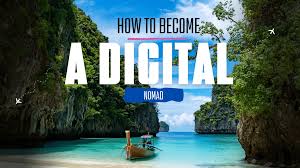
The traditional 9-to-5 office grind is becoming a relic of the past. In digital nomad 2026, the concept of the “office” has completely transformed into anything with a stable Wi-Fi connection—be it a beachside café in Weligama, a high-rise apartment in Dubai, or a quiet cabin in the Swiss Alps.
The rise of digital nomad 2026 is no longer just a trend for freelancers or travel bloggers. It has become a mainstream lifestyle adopted by software engineers, digital marketers, consultants, designers, and even corporate employees who have shifted to remote-first roles.
What makes this lifestyle powerful is not just travel freedom—it is income independence.
But becoming a digital nomad is not simply about buying a flight ticket and leaving your home country. It requires:
- A stable remote income
- Strong digital skills
- Smart financial planning
- Legal awareness (taxes, visas, insurance)
This guide will take you step-by-step through everything you need to build a sustainable digital nomad 2026 lifestyle without burnout or financial risk.
Step 1: Understand the Digital Nomad 2026 Mindset Shift
Before tools and travel, you need a mindset shift.
A digital nomad is not a tourist.
A digital nomad is a location-independent worker running a serious income system.
You must stop thinking:
❌ “I will travel and work sometimes”
Start thinking:
✔ “I will build a business or remote career that allows me to travel”
High-income remote skill examples:
- AI prompt engineering & automation
- UX/UI design
- Software development
- Digital marketing & SEO
- Data analysis
- Copywriting
👉 Learn remote income foundations: https://digitalcashguide.com/online-business-2026/
Step 2: Build Stable Remote Income Before You Travel
One of the biggest mistakes beginners make in digital nomad 2026 planning is traveling too early.
You should secure at least one of these income streams:
1. Remote Job
Work for a company that allows fully remote operations.
2. Freelancing
Platforms:
- Upwork: https://www.upwork.com
- Fiverr: https://www.fiverr.com
3. Online Business
- Affiliate marketing
- Digital products
- YouTube automation channels
👉 Income stability is more important than travel freedom at the beginning.

Step 3: Choose Your Destination Strategically
Not all countries support a successful digital nomad 2026 lifestyle.
You must evaluate:
Cost of Living
Earn in USD/EUR and spend in cheaper countries.
Internet Quality
Without stable internet, remote work fails.
Time Zone Compatibility
Important for meetings and collaboration.
Popular Nomad Destinations:
- Bali, Indonesia
- Chiang Mai, Thailand
- Lisbon, Portugal
- Dubai, UAE
- Medellín, Colombia
Check real-time nomad data: https://nomadlist.com
Step 4: Digital Nomad 2026 Legal Setup (Very Important)
Many beginners ignore legal structure and face problems later.
Banking
Use borderless accounts:
- Wise: https://wise.com
- Revolut: https://www.revolut.com
Insurance
Never skip travel + health insurance:
- SafetyWing: https://safetywing.com
Tax Residency
This is critical in digital nomad 2026 planning.
You must understand:
- Where you are legally taxed
- Duration limits per country
- Residency rules
👉 Always consult a tax expert if income becomes stable.
Step 5: Building a Portable Work System
Your setup determines your productivity.
Essential equipment:
- Lightweight laptop with long battery life
- Noise-cancelling headphones
- Portable keyboard & stand
- Cloud storage (Google Drive / Dropbox)
Connectivity backup:
- Local SIM cards
- Portable Wi-Fi hotspot
- Offline work backups
In 2026, even satellite internet devices are becoming common for extreme travelers.
Step 6: Productivity System for Digital Nomad 2026 Life
Freedom without discipline leads to failure.
Best productivity system:
- Pomodoro technique (25 min work cycles)
- Task batching (group similar work)
- Morning deep work sessions
Routine structure:
- Morning: Deep work
- Afternoon: Meetings / light tasks
- Evening: Free time / exploration
👉 Without structure, most digital nomads burn out within 6 months.
Step 7: Building Community While Traveling
One of the biggest hidden challenges of digital nomad 2026 life is loneliness.
Ways to build community:
- Coworking spaces (WeWork, local hubs)
- Nomad meetups
- Online communities (Facebook, Discord groups)
- Travel slow (stay 1–3 months per city)
👉 Slow travel = better productivity + deeper connections
Coworking info: https://www.wework.com
Step 8: Financial Planning for Digital Nomads
Money management is key.
Rules:
- Keep 3–6 months emergency fund
- Track expenses weekly
- Avoid unnecessary currency conversion fees
Recommended tools:
- Wise budgeting tools
- Notion finance trackers
- Mobile banking apps
Step 9: Scaling Your Digital Nomad Income
Once stable, you can scale:
- Outsource work
- Build passive income systems
- Create digital products
- Start YouTube or blogging brand
- Invest earnings into long-term assets
👉 Goal: work less, earn more, travel freely
Common Mistakes in Digital Nomad 2026 Lifestyle
❌ Traveling without income stability
❌ Ignoring taxes and legal setup
❌ Over-traveling (burnout from moving too fast)
❌ Poor internet planning
❌ No emergency savings
Conclusion – Is Digital Nomad 2026 Right for You?
Becoming a digital nomad 2026 is one of the most powerful lifestyle shifts of modern times.
It gives you:
- Freedom of location
- Flexible schedule
- Global opportunities
But it also requires:
- Discipline
- Planning
- Financial stability
If you build it correctly, the world truly becomes your office.
FAQ Section
Q: Is digital nomad life expensive?
It depends on location. Southeast Asia is much cheaper than Europe or the US.
Q: Do I need technical skills?
No. Many nomads work in marketing, support, teaching, and admin roles.
Q: Can I travel long-term?
Yes, but slow travel (1–3 months per country) is recommended.
Q: What is the biggest challenge?
Loneliness and lack of routine are the biggest issues.
Q: Can beginners start this in 2026?
Yes, but only if they secure income first.
